Septic Emergency Response
Sewage in the house or standing on the ground isn't a plumbing inconvenience. It's an exposure hazard — treat it that way.
Serving Youngsville, Louisburg, Franklinton, Wake Forest, Bunn
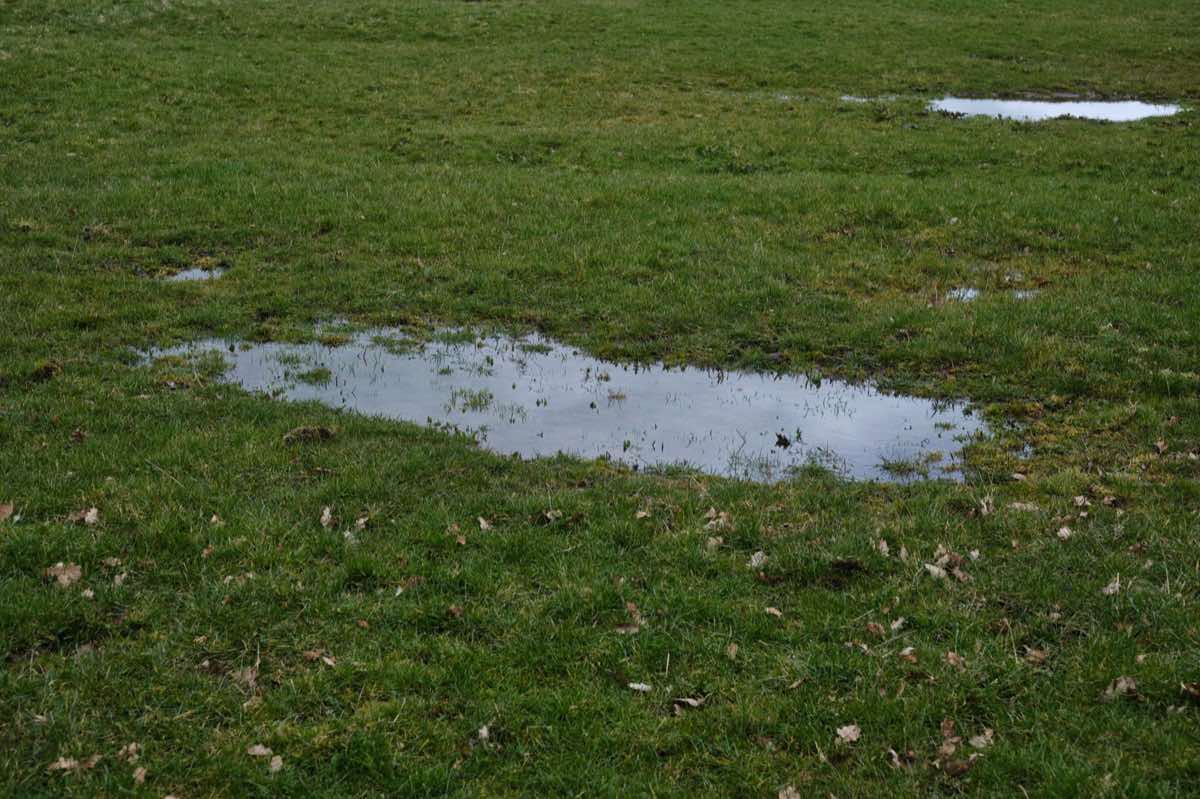
Most septic problems are not emergencies. Some genuinely are. Raw sewage backing up into a bathtub or a floor drain, effluent standing on the ground where children and pets play, or a pump alarm on a system with nowhere left to store what's coming in — those are situations where waiting for a routine appointment slot is the wrong call.
What makes these urgent isn't the inconvenience, it's the exposure. Untreated wastewater carries bacteria, viruses, and parasites, and surfacing effluent puts them at ground level in a yard. The right first moves are about limiting exposure and limiting flow while help is arranged.
This page exists so those requests get flagged rather than queued. Response times still depend on provider availability — this site will not pretend otherwise — but an urgent request should at least be recognized as one.
Common requests
- Sewage backing up into tubs, showers, or floor drains
- Effluent surfacing over the drain field or pooling in the yard
- A pump or high-water alarm that will not clear
- Complete loss of drainage throughout the house
- Sewage odors strong enough to be a concern indoors
- A septic problem discovered right before a closing or an inspection deadline
Signs it's time
- Wastewater visible on the ground surface anywhere on the property
- Backups at multiple fixtures simultaneously
- An alarm panel sounding with no obvious cause
- Toilets that will not flush anywhere in the house
- Sewage odor inside the home
Good to know
- Stop using water immediately. Every flush, shower, and laundry load adds volume to a system that has already stopped keeping up. This is the single most effective thing you can do before help arrives.
- Keep people and pets away from surfacing effluent, and don't let children play on wet ground over the field. Wash thoroughly after any contact.
- Do not attempt to open, enter, or reach into a septic tank. Tank gases can incapacitate a person in seconds, and would-be rescuers have died alongside the people they were trying to help.
- If sewage has backed up indoors, treat the affected area as contaminated. Cleanup needs disinfection, not just mopping, and porous materials that soaked it up may not be salvageable.
- Photograph what you're seeing before anything is disturbed. It helps with the assessment and, where insurance is involved, with the claim.
Backups and surfacing sewage are prioritized
Sewage backing up? Wet ground over the drain field?
Sewage backing up into the house, effluent surfacing over the drain field, or a pump alarm that won't clear are routed for the fastest available response. Those are genuine health-hazard situations, not just inconveniences. Response times depend on provider availability.
Septic Emergency Response — frequently asked questions
What should I do right now, before anyone gets here?
Stop running water — no laundry, no dishwasher, shortest possible showers, and if the backup is active, stop flushing. Keep everyone away from any sewage on the ground or floor. If it's backed up indoors, contain the area and keep pets and children out. If you have a pump alarm sounding, leave it sounding rather than silencing it, and note the time it started. Then call.
Is a backup always the septic system's fault?
No, and that's genuinely worth checking. A blocked main line between the house and the tank produces almost identical symptoms and is a much simpler fix. So does a failed pump on a system that has one. The point of an urgent assessment is to establish which of these you're dealing with before anyone starts talking about replacing a field.
Will homeowners insurance cover this?
It depends heavily on the policy and the cause, and you should call your carrier rather than take a website's word for it. Broadly, sudden and accidental events tend to fare better than gradual deterioration, and damage inside the home from a backup is treated differently from the cost of repairing the system itself. Some policies offer a specific sewer or septic backup endorsement. Document everything with photographs before cleanup begins.
Do I need to report a failure to the county?
A malfunctioning system is something the local health department has jurisdiction over, and where one is identified, the county may issue a written Notice of Violation with a repair timeline attached to it. That sounds adversarial and generally isn't — the county's interest is in getting the system repaired and permitted properly. Your contractor will need county involvement for the repair permit regardless.
Get an estimate for septic emergency response
Describe what you're seeing, attach photos if you have them, and get a clear next step — with no obligation.