Youngsville · Louisburg · Franklinton · Wake Forest · Bunn
Septic Installation & Replacement Across Franklin County & Northern Wake
New system installation, full replacements, drain field repair, tank and pump work, and real-estate inspections — one request, a clear next step, no obligation.
Free estimates · Residential and commercial · Backups and surfacing sewage are prioritized
A straightforward way to deal with a septic problem
No scare tactics, no invented credentials — just a clear path from 'something's wrong in the yard' to a soil evaluation, a permit, and a scoped, priced plan.
- One request, a clear next step
- Describe the situation once — by form or phone — and get a straightforward path to a site visit and pricing. No pressure, no scare tactics about your yard.
- The permit process, explained up front
- North Carolina runs septic work through a defined sequence: Improvement Permit, then Construction Authorization, then inspection before anything is covered, then an Operation Permit. You'll know where you are in it.
- Soil decides, not the salesman
- What can legally go on your lot comes out of an on-site soil evaluation under the state's site-classification rules. Any contractor quoting a system type before that evaluation is guessing.
- Verify before you hire
- NC certifies septic installers, so there is something real to check. You'll be told exactly what to ask for — certification grade, insurance, the permit number, and warranty terms in writing.
Septic services, from soil evaluation to final inspection
Pick the service that fits, or just describe what's happening and let the site visit sort out the rest — most homeowners don't know whether they need a repair or a replacement, and they shouldn't have to guess.
New Septic System Installation
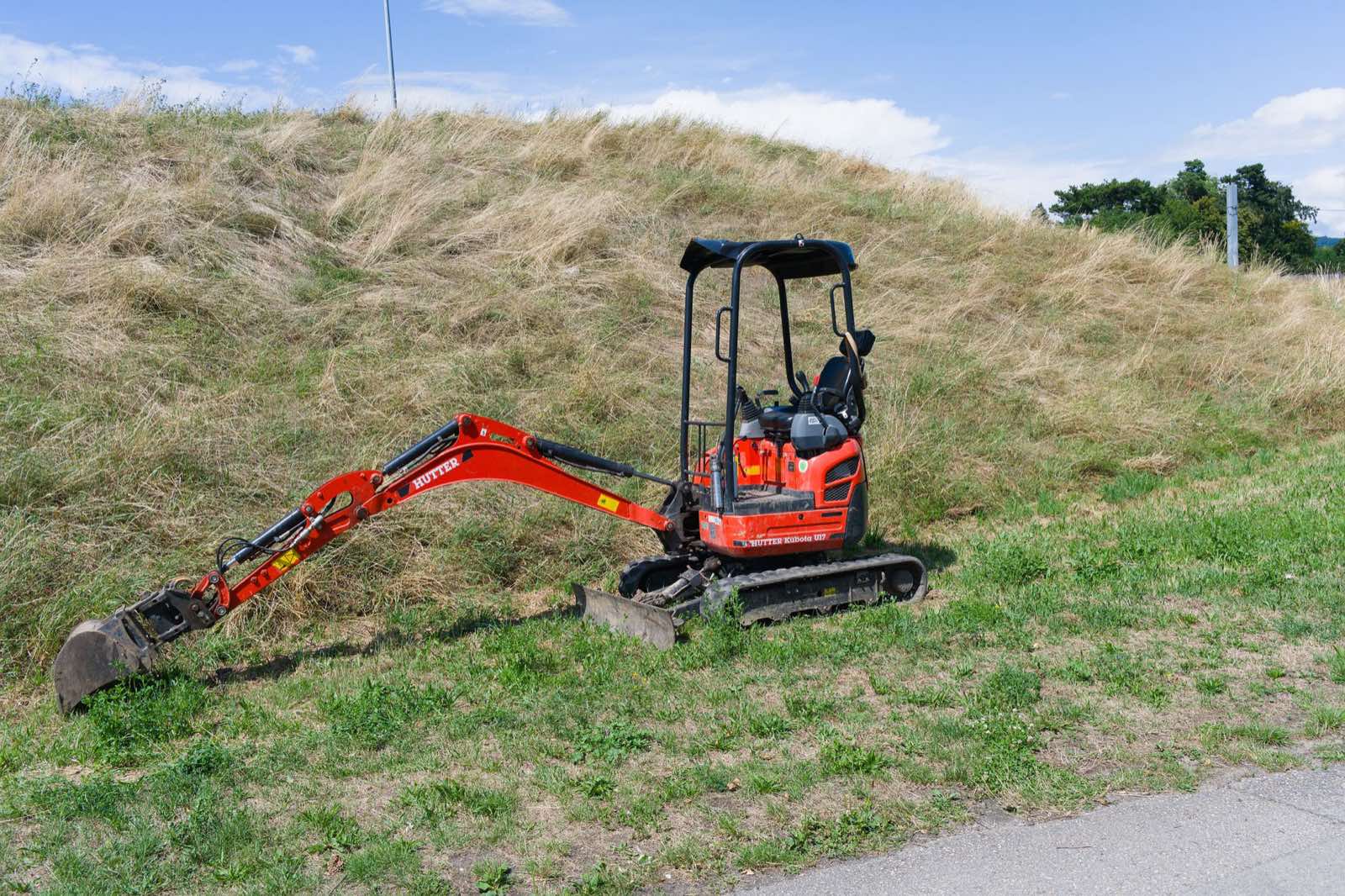
Complete septic systems for new construction and raw lots — from the soil evaluation and Improvement Permit through to the Operation Permit.
Learn more
Septic System Replacement
Full replacement when a system has reached the end of its life — including expansions when a house adds bedrooms.
Learn more
Drain Field Repair & Replacement
Repair or rebuild of the dispersal field — the part of the system that actually returns treated water to the soil, and the part that usually fails first.
Learn more
Septic Tank Replacement & Repair
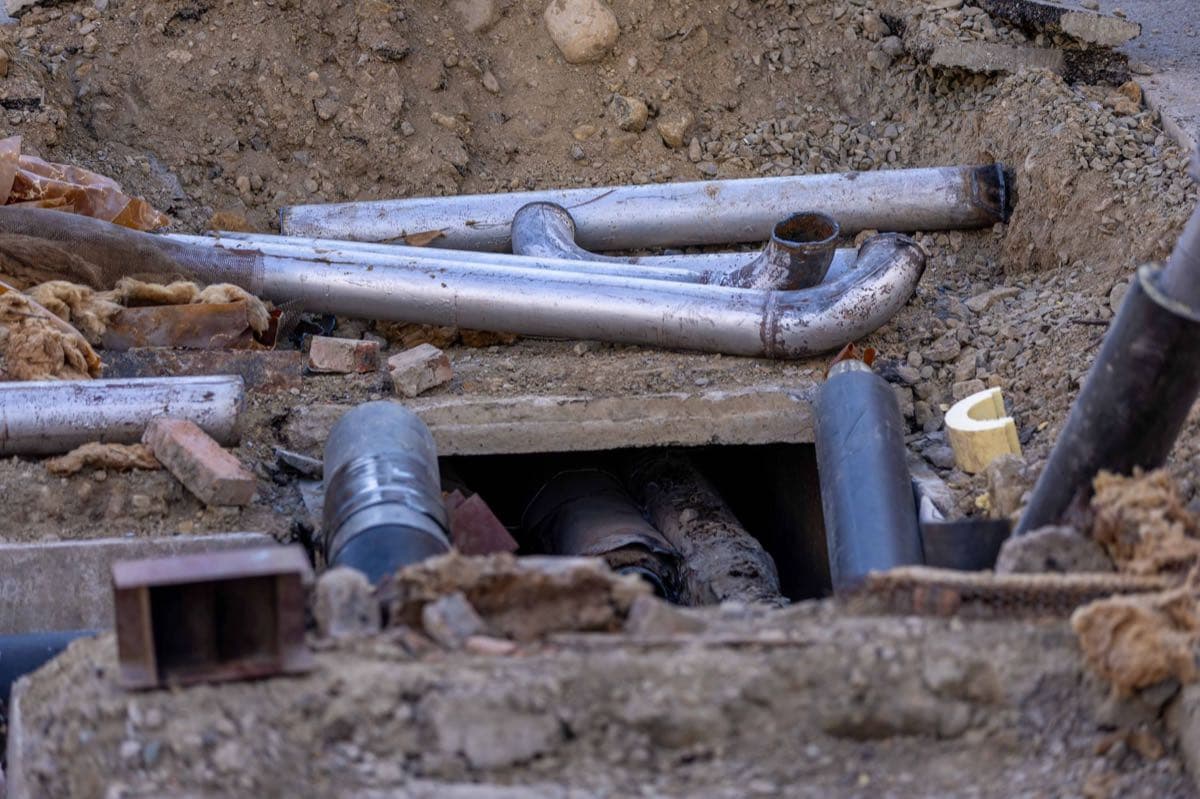
Tank replacement, baffle and riser repair, effluent filters, and lid safety work — the components between your house and the field.
Learn more
Soil Evaluation & Site Planning
The evaluation that decides what your lot can support — and the step that should happen before you buy land, finalize plans, or budget.
Learn more
Engineered & Alternative Systems
Pressure-dosed, drip dispersal, sand-lined, and advanced pretreatment systems for lots a conventional gravity system won't serve.
Learn more
Septic Inspections
Pre-purchase and pre-sale septic inspections — the cheapest moment to find out what a system is actually doing.
Learn more
Septic Repair & Troubleshooting
Pumps, distribution boxes, effluent filters, baffles, alarms, and broken lines — the repairs that often prevent a replacement.
Learn more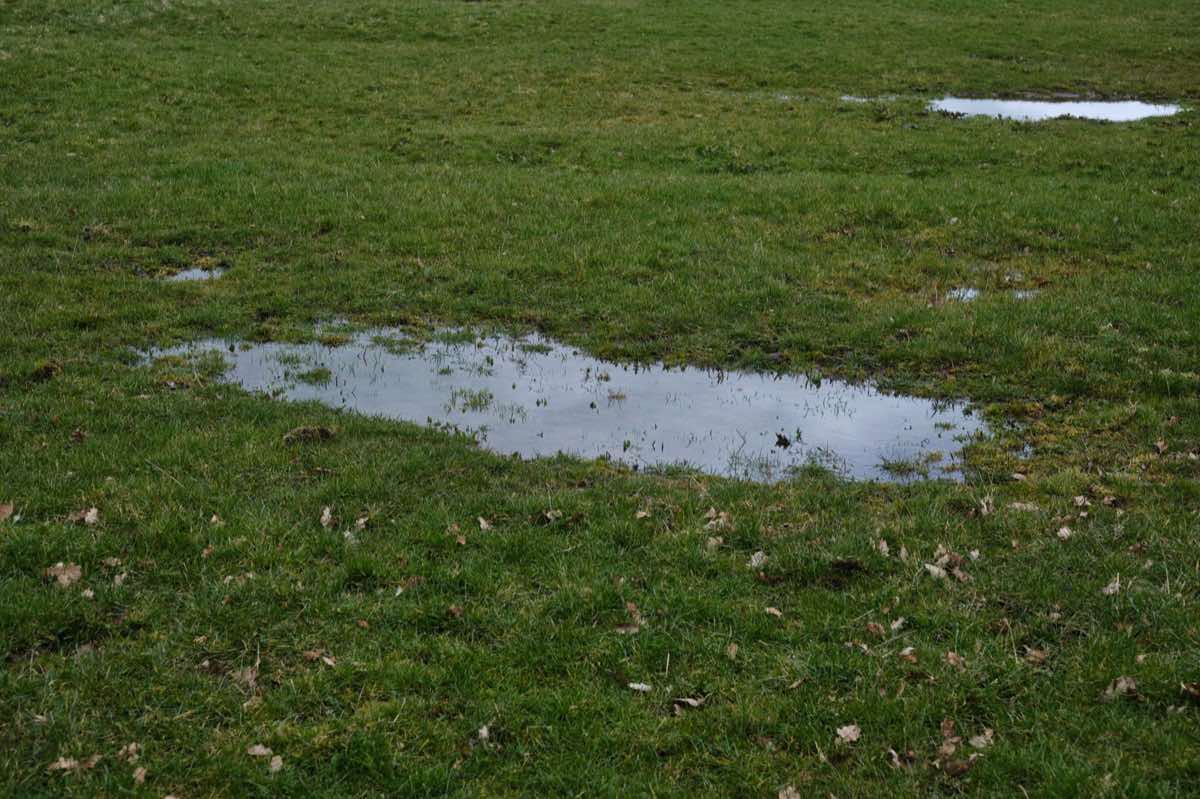
Septic Emergency Response
Sewage backing up indoors or surfacing in the yard is a health hazard. These requests are prioritized.
Learn moreWhy property owners start here
A septic replacement is a five-figure decision that gets made under pressure, usually while the yard is wet and nobody can shower. The point of this site is to make the first step simple and the process transparent.
- One clear request instead of chasing multiple companies for callbacks
- Photos and details up front, so the site visit starts informed
- Written scope before work — system type, tank size, and what's restored afterward
- A straight answer on whether you need a repair or a full replacement
- County permitting explained up front, not discovered halfway through
Serving Franklin County & Northern Wake
Requests are accepted across Franklin County and into northern Wake County:
Out in the county rather than in town? That's most of this work — submit a request anyway.
How estimates work
Three steps, no obligation at any point.
Tell us what's happening
Use the estimate form or call. Whether it's a backup, wet ground, a lot you're building on, or an inspection a buyer wants — the more detail, the faster this moves.
Site visit and evaluation
Someone comes out and looks. Septic work genuinely cannot be scoped from a photo, and for new systems or replacements the soil evaluation drives everything that follows.
Scope, permit path, and pricing
You get a written scope, a straight answer on whether this is a repair or a replacement, and what the county permitting sequence looks like for your specific job. You decide from there.
Backups and surfacing sewage are prioritized
Sewage backing up? Wet ground over the drain field?
Sewage backing up into the house, effluent surfacing over the drain field, or a pump alarm that won't clear are routed for the fastest available response. Those are genuine health-hazard situations, not just inconveniences. Response times depend on provider availability.
Local pages for every service area
Each page covers what septic work actually looks like in that town — where municipal sewer ends and septic begins, the local housing stock, which county issues the permit, and how estimates work.
Youngsville, CA
Septic system installation, replacement, and repair in Youngsville, NC. New construction on unsewered lots and aging systems on the subdivision fringe.
Septic service in Youngsville →Louisburg, CA
Septic system installation, replacement, and repair in and around Louisburg, NC — the Franklin County seat, where town sewer ends and septic country begins.
Septic service in Louisburg →Franklinton, CA
Septic system installation, replacement, and repair in Franklinton, NC — a mill town with 1950s housing, new subdivisions, and everything in between.
Septic service in Franklinton →Bunn, CA
Septic system installation, replacement, and repair in Bunn, NC and southeastern Franklin County — farm country where septic isn't the alternative, it's the norm.
Septic service in Bunn →Wake Forest, CA
Septic system installation, replacement, and repair around Wake Forest, NC — for rural-fringe properties and the northern edge reaching into Franklin County.
Septic service in Wake Forest →Common septic problems around here
If one of these sounds familiar, the linked page explains what's involved — or skip straight to an estimate request.
Sewage backing up indoors
Backups at the lowest drains in the house — a basement shower, a first-floor toilet — point at the system rather than at one fixture. Stop running water and get it looked at.
Wet ground over the drain field
Soggy soil or standing effluent above the trenches means the field is no longer absorbing what it's being sent. This is the classic sign of a field at the end of its life.
Every drain in the house is slow
One slow drain is usually a plumbing clog. All of them slowing together, with gurgling, is a different problem and a different trade.
A stripe of unusually green grass
A lush, fast-growing band across the yard in the shape of the trenches means effluent is reaching the surface layer. It looks harmless. It isn't.
Building on a raw lot
No system yet means starting with a soil evaluation and an Improvement Permit — and in North Carolina the Construction Authorization is what unlocks your building permit.
Adding a bedroom or an addition
System capacity is tied to bedroom count. Adding one can require an existing-system review and, sometimes, an expansion before the addition is approved.
Buying or selling a house on septic
A septic inspection before closing is far cheaper than discovering a failed field afterward, and North Carolina certifies inspectors separately from installers.
A pump alarm that won't clear
Pump tanks and pressure-dosed systems have alarms for a reason. A silenced alarm and a working pump are not the same thing.
Frequently asked questions
How do estimates work?
Submit the estimate form describing the situation — with photos if you have them — or call. The request is reviewed, an on-site visit is arranged, and you receive a scope and pricing from the service provider before anything is scheduled. Septic work can't be scoped from photos, so expect a site visit.
Does an estimate cost anything?
No — requesting an estimate through this site is free and commits you to nothing. Worth separating out, though: the contractor's estimate is a price for work. A soil evaluation, which determines what system your lot can legally support, is a separate piece of work with its own cost. On a new installation you generally need both.
What areas do you serve?
Youngsville, Louisburg, Franklinton, and Bunn in Franklin County, plus Wake Forest and the surrounding area in northern Wake County — and, importantly, the unincorporated land around all of them, which is where most septic work actually is. If you're outside these towns, submit the request anyway.
What permits does a septic system need in North Carolina?
For a new system the sequence is set by state rule 15A NCAC 18E .0201: you apply, the county issues an Improvement Permit (IP) after evaluating the site's soil and suitability, then a Construction Authorization (CA) before any construction begins. The system is installed, inspected before it's covered with soil, and only then does the county issue an Operation Permit (OP), which is what allows the system to actually be used. One detail that surprises people building a house: it's the Construction Authorization — not the Operation Permit — that lets you obtain your building permit.
Do repairs need a permit too, or just new systems?
Repairs need a permit. Under 15A NCAC 18E .0202(b), an application for a Construction Authorization must be submitted before repairing a system. The good news is that where an approved repair area already exists on your Improvement Permit, only the CA is needed rather than a whole new IP. After the repair is installed and inspected, an Operation Permit is issued. Work done without this paper trail can become a genuine problem when you sell.
Are septic contractors certified in North Carolina?
Yes, and this is worth knowing because it gives you something concrete to verify. Installers are certified by the NC Onsite Wastewater Contractor Inspector Certification Board under G.S. 90A Article 5, at Grade Level II (entry) and Grade Level IV (advanced, requiring at least two years at GL II). As of January 1, 2025 all new applicants must pass an exam. Inspectors are certified separately — a Point of Sale Inspector and a Private Compliance Inspector are distinct credentials with their own experience requirements. Ask which certification a contractor holds and check it against the Board's roster.
Who actually issues the permit in Franklin County?
Franklin County Environmental Health, through its On-Site Water Protection program, which handles both well and septic permits. The county requires a zoning permit first and a site plan showing setbacks and structure dimensions, and it notes that an application is valid for one year from issuance. If your property is in Wake County rather than Franklin, it's Wake County's environmental health office instead — the town you get mail in doesn't determine this, the county your parcel sits in does.
How far does a septic system have to be from my well or property line?
State rule sets minimum setbacks in 15A NCAC 18E .0601, Table IX, measured from the nearest system component. Commonly encountered ones: 100 feet from a shared or community water supply well, 50 feet from a private drinking water well serving a single-family home, 50 feet from most streams and ponds, 10 feet from any property line, 5 feet from a building foundation, and 15 feet from a basement or in-ground pool. These are minimums, and they're a frequent reason a lot supports a smaller system than the owner expected. Confirm the current values with the county before designing around them.
Why do I have to keep an empty area of yard reserved?
Because state rule requires it. Under 15A NCAC 18E .0301, the entire initial system and its designated repair area must be on property you own or control, and you're obligated to keep both free of encroachment from structures, utilities, and vehicle traffic, and to maintain vegetation over them. That reserved repair area is what makes a future replacement possible without a variance. Building a shop, pool, or driveway across it is one of the more expensive mistakes a septic owner can make.
Is a slow drain a sign my septic system is failing?
Usually not on its own. A single slow fixture is far more often an ordinary plumbing clog, and that's a plumber's job, not a septic job. What points at the system is the pattern: every drain in the house slowing at once, gurgling, backups starting at the lowest fixtures, odors, soggy ground or unusually lush grass over the drain field, or a pump alarm. Any of those together is worth a look.
Ready to find out what's actually going on?
Describe what you're seeing, attach photos if you have them, and get a clear next step — with no obligation.